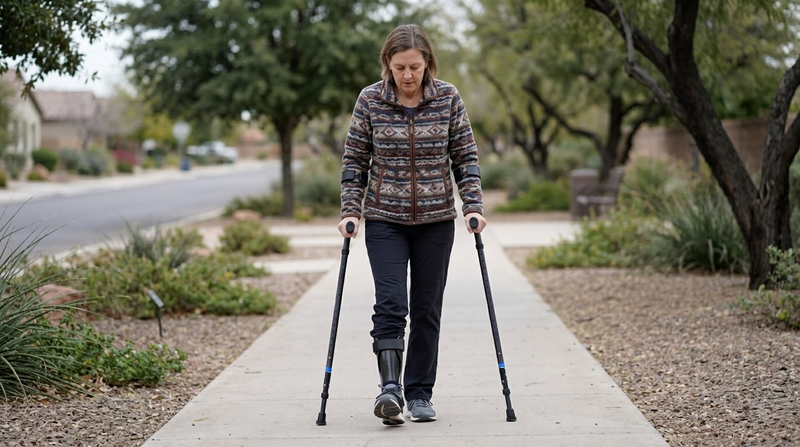
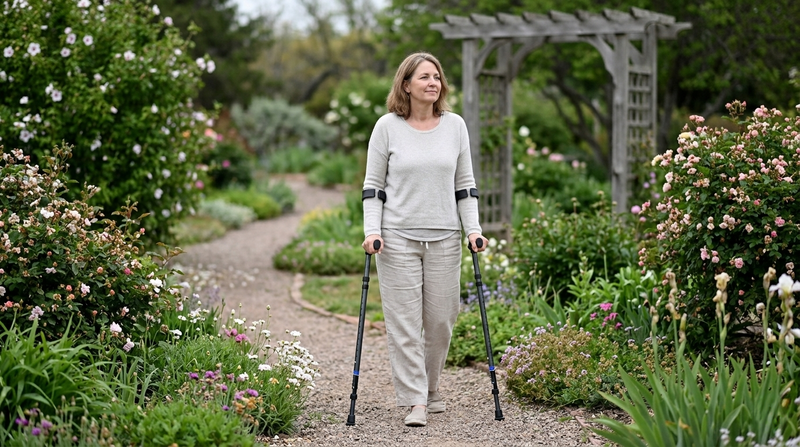
Spina bifida is a lifelong condition, and mobility is one of its central, evolving stories. Unlike an injury you recover from, this is mobility you grow up with and carry forward, and the equipment changes as the body and the life around it change. For many people with spina bifida, forearm crutches are not a temporary stop. They are a long-term partner.
Because it is lifelong, the stakes are different. Comfort and durability matter more than they do for someone who needs crutches for six weeks, and so does protecting the joints over decades. So does the freedom to live fully at every age, from a kid keeping up on the playground to an adult building a career and a home of their own.
This guide covers how spina bifida shapes mobility, where forearm crutches and bracing fit, how needs shift across the lifespan, and how to choose equipment built for the long haul.
If you are raising a child with spina bifida, our parent's guide to crutches for kids and guide to crutches at school pair closely with this one.
The honest answer: mobility depends on the lesion level
There is no single mobility story for spina bifida, because so much depends on where the spinal lesion sits and how it affects the legs. That is the honest starting point, and it is why a doctor or therapist who knows your specific situation is the real guide here.
As a general pattern, people with lower lumbar level involvement often have fair to good potential for both household and community walking, frequently using ankle-foot orthoses and forearm crutches to do it. Higher level involvement may rely more on a wheelchair, and many people use a mix, walking with crutches day to day and using a wheelchair for long distances or sports. None of that is failure. Using the right tool for the distance is just smart living.
Why forearm crutches are the standard here
Forearm crutches are the usual choice for spina bifida and other lifelong conditions, and the reasons hold up over a lifetime of use.
- They carry weight through the forearm cuff and grip rather than the armpit, which avoids the compression of the brachial plexus and radial nerve that underarm crutches can cause with heavy long-term use. Clinical reference material makes the same point: axillary crutches suit short-term use, forearm crutches suit long-term use.
- They support an upright posture and a more efficient gait.
- They free a hand, so you can open a door, hold a railing, or carry something without dropping the crutch, which matters every single day.
Paired with the right orthosis for the ankle or knee, forearm crutches let a lot of people with spina bifida walk in the community for years, which is good for the body and good for independence.
Mobility across the lifespan
One of the things that makes spina bifida different is that the mobility plan is never finished. It evolves, and planning for that keeps you ahead of it.
Childhood
Kids grow, and equipment that fit last year will not fit this year. Regular refitting matters, and so does letting a child build confidence and independence with their crutches early. The aim is a kid who treats their crutches as a normal part of getting around, not a thing to overcome.
The teen years
Adolescence adds the social layer, plus growth spurts that change fit fast. This is the age to let a young person have a say in their equipment and to keep mobility front and center as they push for independence.
Adulthood
Adults with spina bifida juggle work and home life, plus the long-term wear that decades of crutch use put on the shoulders and wrists. Protecting those joints with well-designed equipment becomes a priority, because you want your shoulders to last as long as you do.
Choosing equipment for decades, not weeks
When crutches are lifelong, the math on equipment changes. A cheap, heavy pair that aches the hands is a real problem when you will use it every day for years, because that strain accumulates in the shoulders and wrists over a lifetime. The loads are measurable: peak axial force through a single crutch runs around 45 percent of body weight during normal crutch gait, repeated with every step, for decades.
This is exactly who the In-Motion Pro forearm crutch was built for: molded V-shaped forearm cuffs that spread contact across the forearm, angled and contoured grips that hold the wrist in a natural position, a spring-assisted lower post that softens each impact, 1.8 lbs per crutch, and a 350 lb capacity. Both standard and large cuff sets ship in the box, and a Short model fits users from 4'2". You can see the sizing and options at the In-Motion shop.
When to talk to your care team
Spina bifida involves ongoing care, and a few mobility-specific signs are worth flagging between visits.
- New or worsening pain in the shoulders or wrists, which can mean equipment or technique is overloading those joints over time.
- A change in walking, more tripping, or new fatigue with distances you used to handle, which can signal a change worth assessing.
- Skin breakdown or pressure marks where braces or cuffs contact the body, since reduced sensation can let these go unnoticed. Check skin regularly.
- Any sudden change in leg function, bladder or bowel changes, or new back symptoms, which need prompt medical attention in spina bifida.
The bottom line
Spina bifida mobility is a lifelong, evolving story, and forearm crutches are a long-term partner for many people who live it. How far you walk depends a lot on your lesion level, the right bracing helps, and using a wheelchair for distance alongside crutches for daily life is smart, not a setback.
Because this is for the long haul, choosing equipment that protects your shoulders and wrists over decades is one of the most important calls you make. Get the fit right, refit as you grow, and pick gear built to last as long as you need it.
Frequently asked questions
Do people with spina bifida use crutches or wheelchairs?
Often both, depending on the lesion level. People with lower lumbar involvement frequently walk in the community using ankle-foot orthoses and forearm crutches, while higher involvement may rely more on a wheelchair. Many people walk with crutches day to day and use a wheelchair for long distances or sports, which is smart, not a setback.
Why are forearm crutches recommended for spina bifida?
They suit lifelong use. Forearm crutches carry weight through the cuff and grip rather than the armpit, which avoids the nerve compression underarm crutches can cause over years, support an upright and efficient gait, and free a hand for daily tasks. Paired with the right orthosis, they let many people walk in the community for years.
How often do children with spina bifida need new crutches?
As often as they grow. A pair that fit last year may sit wrong this year, so regular refitting is important, and a good fit is what keeps a child confident and comfortable. Building independence with their crutches early matters as much as the equipment itself.
What should adults with spina bifida watch for with long-term crutch use?
Wear on the shoulders and wrists. Decades of crutch use load those joints, so protecting them with well-designed, lighter equipment and good technique becomes a priority. New or worsening pain in those joints is worth raising with your care team, because you want your shoulders to last as long as you do.
Does the lesion level really determine how much someone can walk?
It is a major factor. Where the spinal lesion sits and how it affects the legs largely shapes mobility potential, which is why guidance has to be individual. A doctor or therapist who knows your specific situation is the best source for what is realistic and what equipment will help you reach it.